
LiGHT 25 Returns with VIP Design Tour
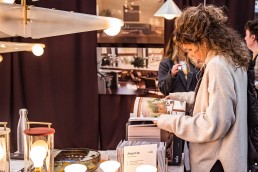
Leading trade show, LiGHT, returns to London with an exclusive new feature for interior designers. The VIP Design Tour offers a curated preview of premium lighting brands.
The VIP Design Tour is a curated guided experience specifically for interior designers and featuring a range of hand-selected premium lighting brands that are particularly relevant to the high-end interiors market.
The one-hour tour will start at 9.45 am on 19th November and feature introductions from each selected brand, including exclusive previews of their latest launches. Afterwards, designers will be welcomed to the Lounge for light refreshments and networking.
Brands featured include: Industville, Italamp, LedsC4, Lightnet, Lodes, Lumen Loom, SAAS, Tala, and Vibia. If you would like to attend this event, please reach out to Programme Director, Helen Ankers at h.ankers@mondiale.co.uk
Now in its fourth year, LiGHT will open its doors at the Business Design Centre on 19 - 20 November for two days of design inspiration focused on lighting and design for high-end hospitality projects.
Following a record-breaking 2024 event that welcomed over 5,500 visitors, this year’s show continues to evolve with a dynamic new layout and features. To reflect the scale and scope of the lighting industry today, LiGHT 25 will be divided into three distinct zones, helping visitors to easily navigate the vast range of brands, technologies and innovations on display.
Alongside the hundreds of lighting brands, attendees can also enjoy an array of engaging content including the return of the dedicated [d]arc thoughts talks programme in collaboration with Lutron.
Highlights Include:
- Shaping Atmospheres - leading lighting designer Sanjit Bahra of Design Plus Light takes to the stage alongside representatives from lighting brands Vibia and ProtoPixel, to examine how light and space work in unison to craft memorable experiences. They will explore the interplay of design, technology and storytelling - how lighting defines mood, shapes perception, and reinforces identity specifically in hotel environments.
- Brilliant on Paper, Broken on Site - sees James Siddle of Ideaworks moderate a discussion focused on how procurement can either reinforce or unravel a lighting vision. Too often, beautifully considered designs are compromised – not through a lack of creativity or technical skill, but because of poor procurement practices: misunderstood specifications, vague communication, or a lack of attention to detail during delivery. A great design is only the beginning. It takes a high-performing team through construction and beyond to bring it to life.
All talks and presentations are free to attend, and you can view the full programme here: https://www.lightexpo.london/talks-programme/
Beyond the exhibition floor, LiGHT 25 offers a dedicated co-working space with free Wi-Fi, late-night opening hours, VIP party, networking lunch, and immersive light art installation from Speirs Major Light Architecture.
Free to attend and not to be missed – register now for your visitor badge and discover more about the show, here: https://www.lightexpo.london/

Rise Lighting - Diva
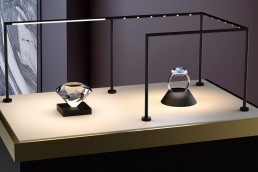
Rise Lighting's Diva is an ultra-slim profile that blends seamlessly with your display. With refined optics and a flawless finish, Diva creates a luxurious retail and boutique atmosphere that elevates the beauty and value of your products, as well as offers a customisable length to fit any showcase with ease.
LDF: product highlights from the Shoreditch Design Triangle
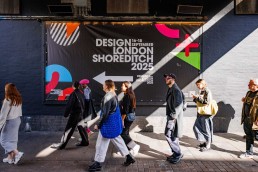
Discover the latest innovations, products and installations we uncovered during the darc Lighting Tour, in partnership with Design London Shoreditch at London Design Festival.
As summer fades into memory, the design world is only just hitting its stride. For us at darc, the London Design Festival marks the true beginning of the season – a moment that not only re-energises the industry after its quieter months but also sets the tone for what lies ahead. This year, the festival saw the debut of Design London Shoreditch, a fresh addition to the festival and one we were excited to collaborate on. Brought to life by the organisers of Clerkenwell Design Week, the event popped up across East London’s thriving design district with a series of tightly curated exhibitions.
As part fo the launch, darc partnered with Design London Shoreditch to host a dedicated lighting tour, guiding attendees through standout showrooms and brands while highlighting the latest products and projects that showcase the ever-evolving role of light in design. As Media 10’s Marlon Cere-Marle, and leader of the tour, explained:
"The idea behind the lighting tour was to give lighting designers and specifiers the chance to experience key installations and product launches first-hand, while hearing directly from the creatives shaping the industry. It was extremely well received, with visitors valuing the opportunity to ask questions and connect directly with brands and designers. The launch of Design London Shoreditch has further strengthened Shoreditch Design Triangle as the largest district and a key destination during London Design Festival, drawing an even broader trade audience to the area. Collaborations like this with darc are central to that success, and we were delighted to partner with them to bring the tour to life."
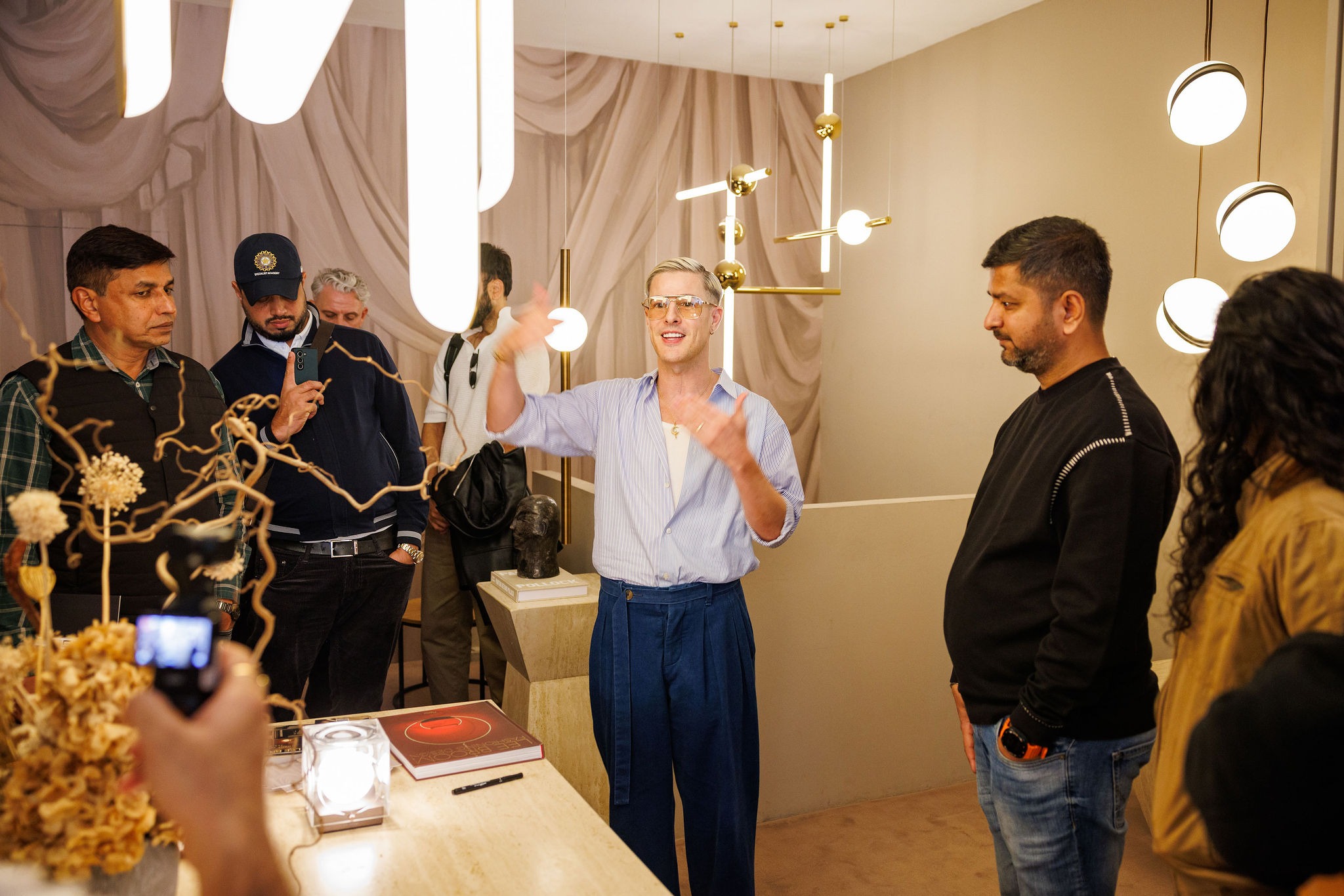
The tour began at Lee Broom’s flagship showroom, where the designer welcomed us with his trademark flair – coffee, pastries, and a display as immaculate as ever. But the real spectacle was the work. Broom’s collaboration with Lladró, Cascade, was a highlight: porcelain lanterns reimagined as glowing, modular installations, which made its debut in Milan earlier this year (read more here). His new Chant Portable Lamp was another standout – sleek, sculptural, and refreshingly functional. With a 40-hour battery life and a festival launch price of £225, it was one of those rare pieces that balances collectability with accessibility.
At Tala, the experience took a different turn. Instead of unveiling a product outright, visitors were confronted with a question: What do you usually do before going to sleep? Unsurprisingly, most admitted to scrolling on their phones. The point was clear – and so was the solution. Tala, in collaboration with Heatherwick Studio, introduced Wake, a bedside lamp designed to replace our phones as a sleep companion.
Presented in the immersive Sunset Room, Wake felt more like an experience than a product launch. The installation washed the space in warm, meditative light while a film narrated its three-year journey from idea to object. The lamp itself, made from ceramic and glass, blends craft with technology through subtle, programmable sequences of light and sound. Unlike the clunky “sleep gadgets” already on the market, Wake feels like something you’d want in your home. Elegant, tactile, and purposeful – a rare combination. (Read more about Wake in Issue #61).
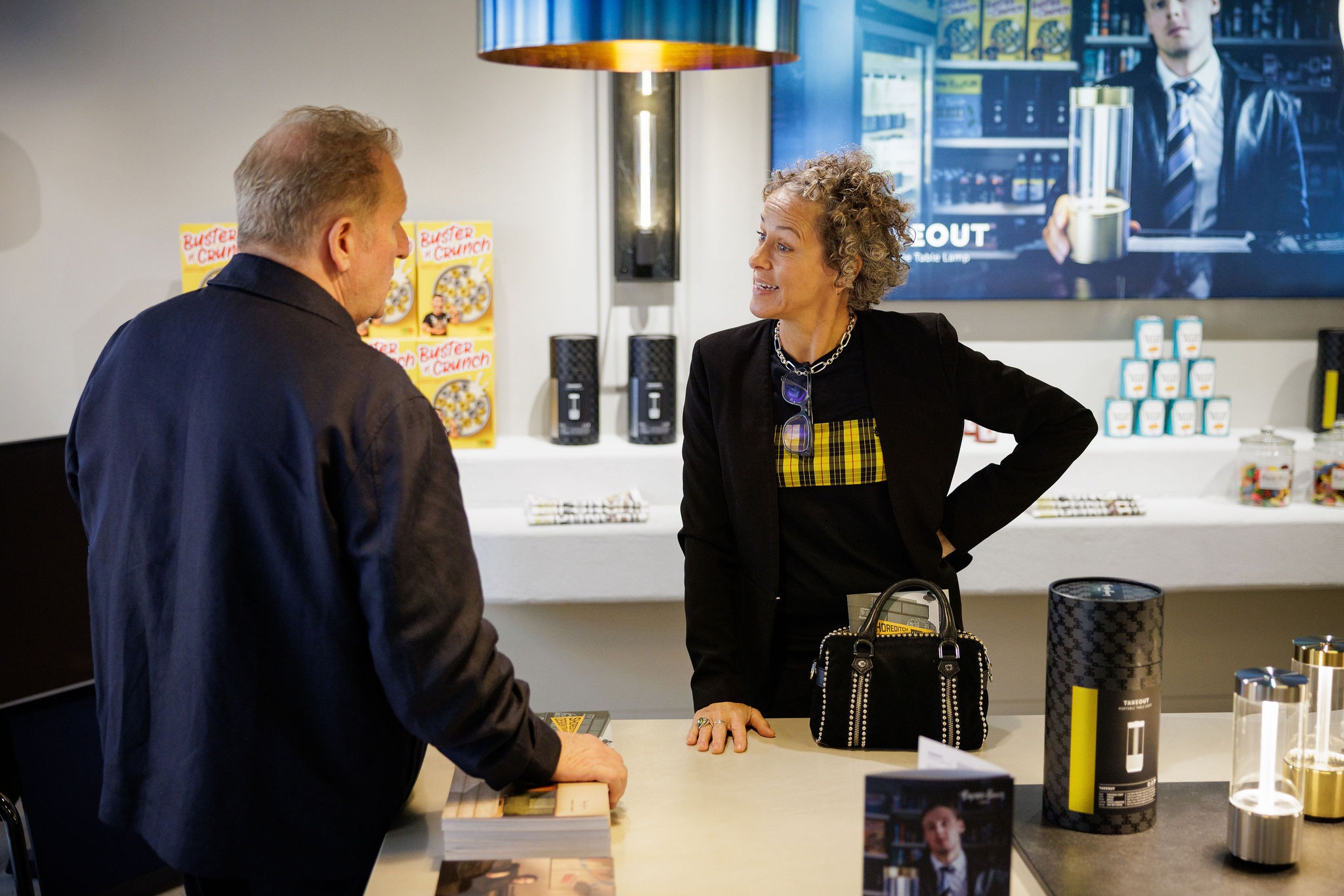
Just across the road, we visited the Buster + Punch flagship, where founder Massimo Buster Minale unveiled Takeout – a portable table lamp in solid metal, featuring the brand’s signature cross-knurl detailing. Its distinctive light pipe and canopy sit beneath a toughened glass shade, dimmable by touch. Though still in development, the tour had the rare opportunity to handle the prototype firsthand. True to Buster + Punch’s flair for storytelling, the launch is accompanied by a bold creative campaign, which we also previewed. Unlike the brand’s predominantly made-to-order catalogue, Takeout is designed as a grab-and-go item, ready to purchase and take home immediately. To match the lamp’s concept, the flagship itself had been transformed into a quirky convenience store – echoing the promotional video – complete with playful touches such as Buster + Crunch cereal boxes.
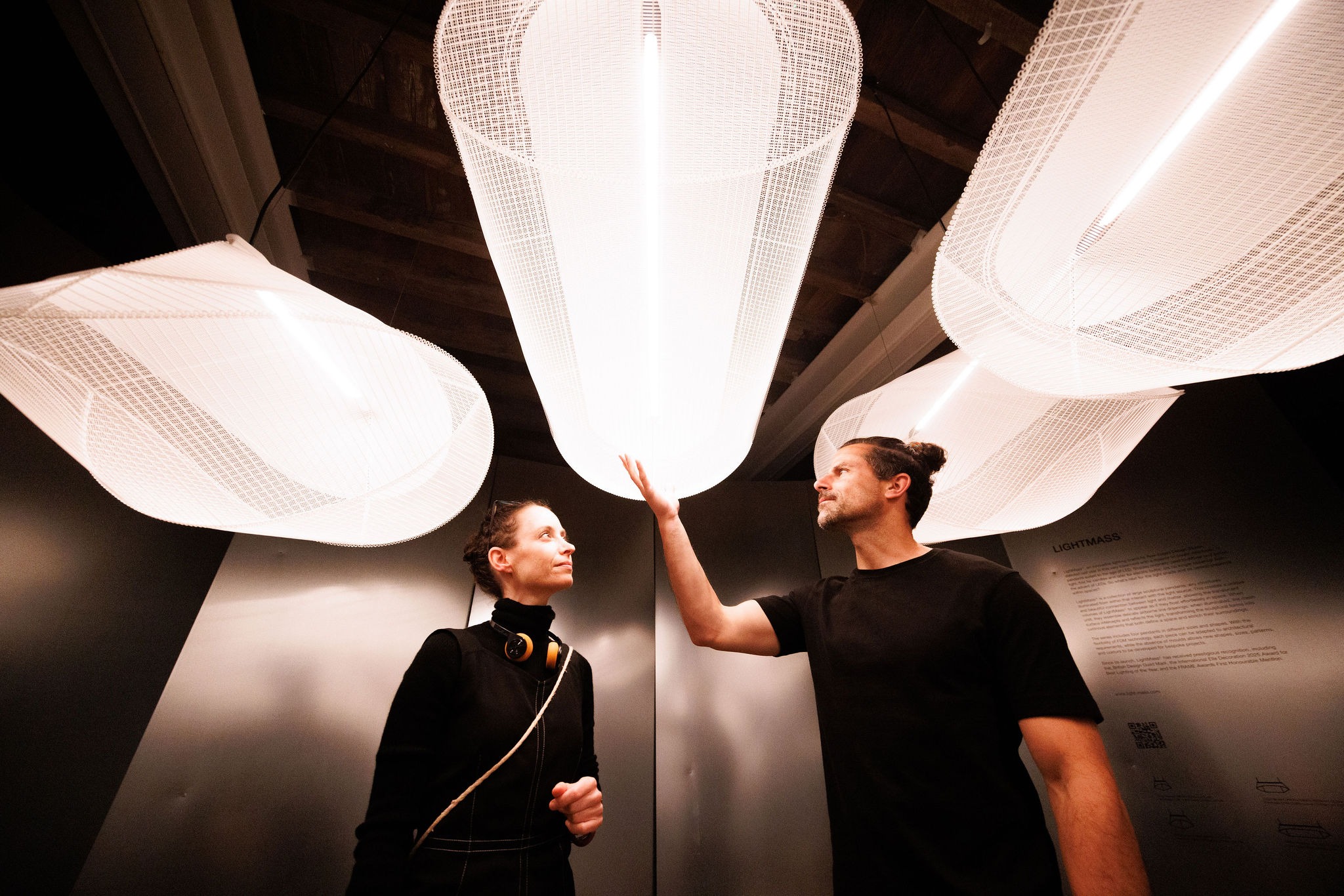
At the Wax Building, home to brands like Cozmo, MinimalLux, and Tamart, the standout was undeniably Lightmass^ by Raw Edges. The lower-floor installation featured sculptural, feather-light lighting pieces that integrate LED sources directly into their mesh structures, blurring the line between form and function. Pendants, floor, and table lamps are crafted from a single material, reducing waste while remaining adaptable to a variety of spaces. The collection’s focus on sustainability and its ability to turn light into a tangible spatial experience underscore Raw Edges’ vision of lighting not just as illumination, but as a key architectural element.
After stops at architectural lighting brands Light Lab and XAL, the tour arrived at the final destination: House of Icons, housed in Shoreditch Town Hall and the beating heart of Design London Shoreditch. The space offered a curated mix of exhibitions, talks, and installations, showcasing both emerging and established lighting brands.
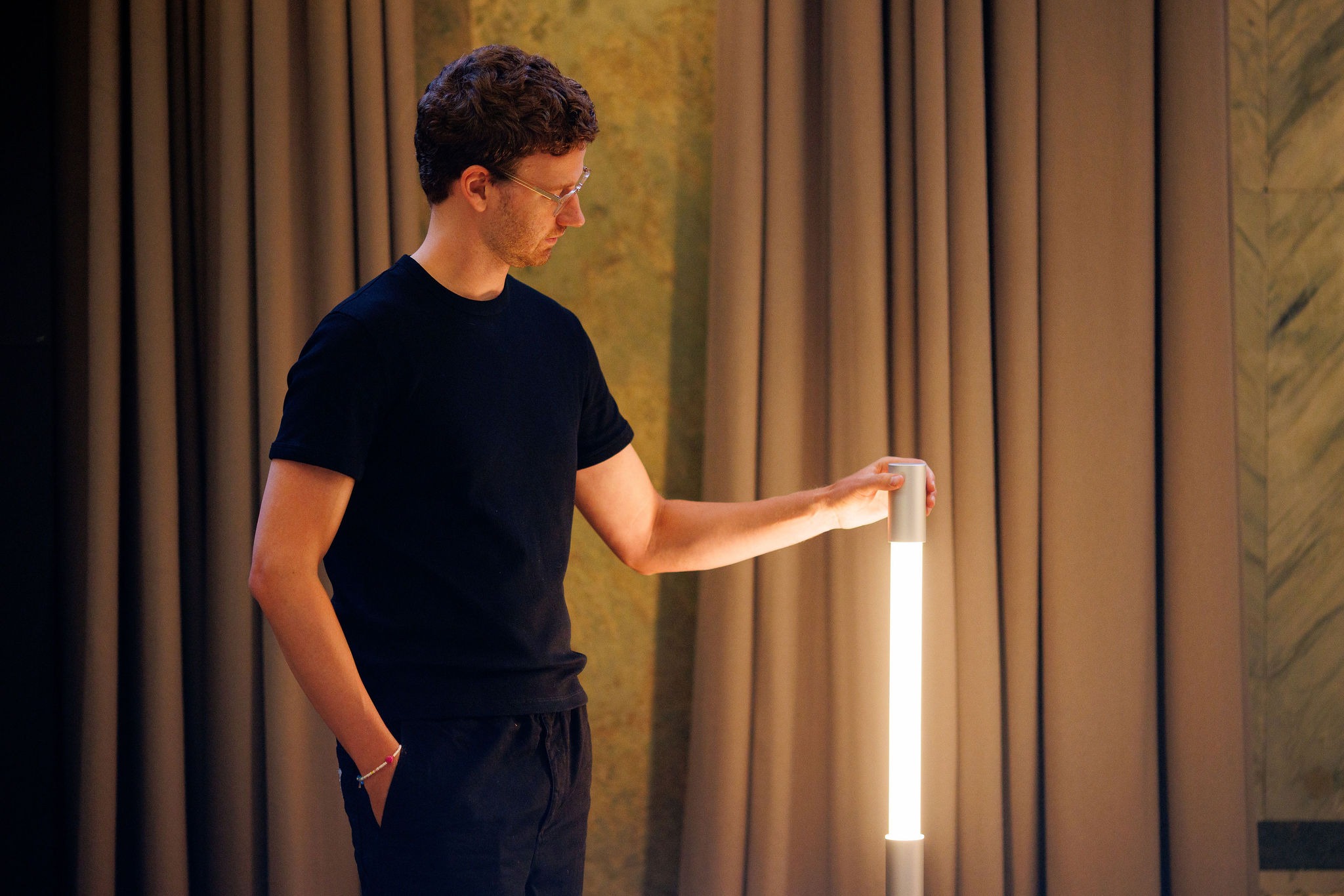
In terms of exhibitors, two highlights stood out. Dutch company Georgious presented its Slide Light, a tubular floor lamp with adjustable height and light output. Smart sensors activate only the exposed LEDs, allowing the piece to subtly transform a room’s ambience. Meanwhile, Italian family-owned Masiero’s Dimore lighting impressed with its luxurious contemporary collection for private interiors. By blending sophisticated aesthetics with emotional nods to tradition, the brand delivers lighting that is both artistic and functional.
From Lee Broom’s sculptural innovations to Tala and Heatherwick Studio’s immersive experiments, and the playful ingenuity of Buster + Punch to Raw Edges’ sustainable designs, the festival felt alive with ideas that push lighting beyond utility into art and experience. Design London Shoreditch proved itself a worthy addition to the festival, offering a stage for daring design and thoughtful craftsmanship.
www.designlondonshoreditch.com
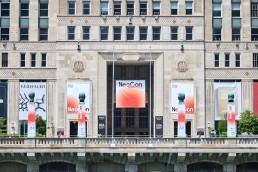
NeoCon to launch premier lighting exhibit
(USA) - NeoCon, the largest and longest-running show serving the commercial interiors (A&D) industry, has announced the launch of Illuminate at NeoCon 2026, a new show-within-a-show concept dedicated to architectural, technical, and decorative lighting.
Scheduled to debut on 8-10 June at The Mart in Chicago, Illuminate will take place on the 7th floor of the exhibit hall as part of the redesign section. The platform aims to foster deeper connections between lighting manufacturers and professionals and the design community, offering direct access to the brands and technologies
As part of a redesign of the 7th Floor Exhibit Hall, Illuminate will serve as a showcase for education and exploration, featuring a selection of premiere and emerging lighting brands in unique booth configurations. Visitors will experience interactive vignettes and immersive installations that demonstrate the dramatic effects of lighting design in real-world scenarios.
Educational programming led by lighting experts will offer insights into the latest trends, technologies, and applications, while special events, happy hours, and meet-and-greets will offer collaboration and networking opportunities.
Lisa Simonian, Vice President, Head of Trade Shows at The Mart, comments: “With Illuminate, our goal is to create a dynamic new hub connecting the lighting industry with the commercial design community and NeoCon’s audience of more than 50,000 architects, designers and end-user decision makers. We are responding to an important need for lighting to be more properly recognised as a key and essential component of good design.”
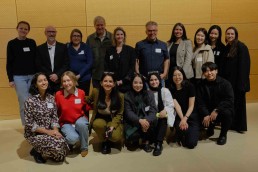
PALD research project expands globally
(USA) - A new research initiative, led by Glenn Shrum, an Associate Professor of Lighting Design at Parsons School of Design, aims to expand the history of lighting design. The ‘Pioneers of Architectural Lighting Design’ (PALD) research project aims to highlight the overlooked key players in the discipline’s movement.
This research archive seeks to expand the list of PALD to include individuals who contributed to the growth of the field in local communities worldwide, enabling more members of the architectural lighting design community to understand the discipline's origins in their local contexts.
The research initiative began when Professor Shrum prepared his presentation, ‘Founding Practice: Originators of Lighting Design,’ on the online platform.
After cataloguing the first documented architectural lighting designers worldwide, Shrum recognised that the available history of architectural lighting design largely neglected pioneering individuals outside of North America and Western Europe. Recognising this oversight, Shrum imagined a project that would provide a more inclusive understanding of architectural lighting design history that documents and celebrates the diversity of architectural lighting design around the world.
Since its launch, the PALD initiative has widened its reach, adding research teams in countries including Brazil, Chile, Venezuela, Panama, Haiti, Nigeria, Canada, and Spain. The project aims to create a collaborative framework for investigating local histories, refining methodologies, and sharing results internationally. Current priorities include consolidating existing research, strengthening community engagement, and building partnerships to support future stages of work.
According to the organisers, the long-term goal is to establish a more comprehensive and inclusive history of architectural lighting design, while providing resources for continued academic and professional study.
Insights from Tech-X 2025
On Wednesday 10 September, Ellie Walton had the opportunity to attend Tech-X – The Lighting Industry Association’s (LIA) first technical excellence conference, held at the Convene, 133 Houndsditch in the heart of London. Marking its debut, Tech-X set out to redefine industry gatherings by creating a dynamic, multi-disciplinary forum that reflects the evolving needs of the lighting sector.
Born out of extensive feedback from LIA supporters and event attendees, the event brought together manufacturers, designers, engineers and regulators under one roof. With multiple stages and a diverse programme spanning connected lighting, cutting-edge design and the latest regulatory insights, Tech-X delivered a platform for knowledge sharing, innovation and collaboration.
The event commenced with a warm welcome from Ayça Donaghy and David Barnwell, CEO and President of the LIA, respectively. Following the welcome speech, the audience had the privilege of hearing from the Keynote Speaker, Ricky Nuttall. A firefighter and first responder to the tragic Grenfell Tower incident, Nuttall delivered a deeply moving and thought-provoking address drawing on his personal experiences. He highlighted the profound importance of resilience, courage, and the necessity of speaking up when confronted with unequivocally wrong situations. Nuttall also spoke on the importance of people’s roles in design, and how the combination of design flaws and lack of standards met escalated the fire at Grenfell Tower to spread rapidly. His words resonated powerfully with the audience, serving as a reminder that strength and integrity are essential not only in times of crisis but also within professional and everyday contexts.
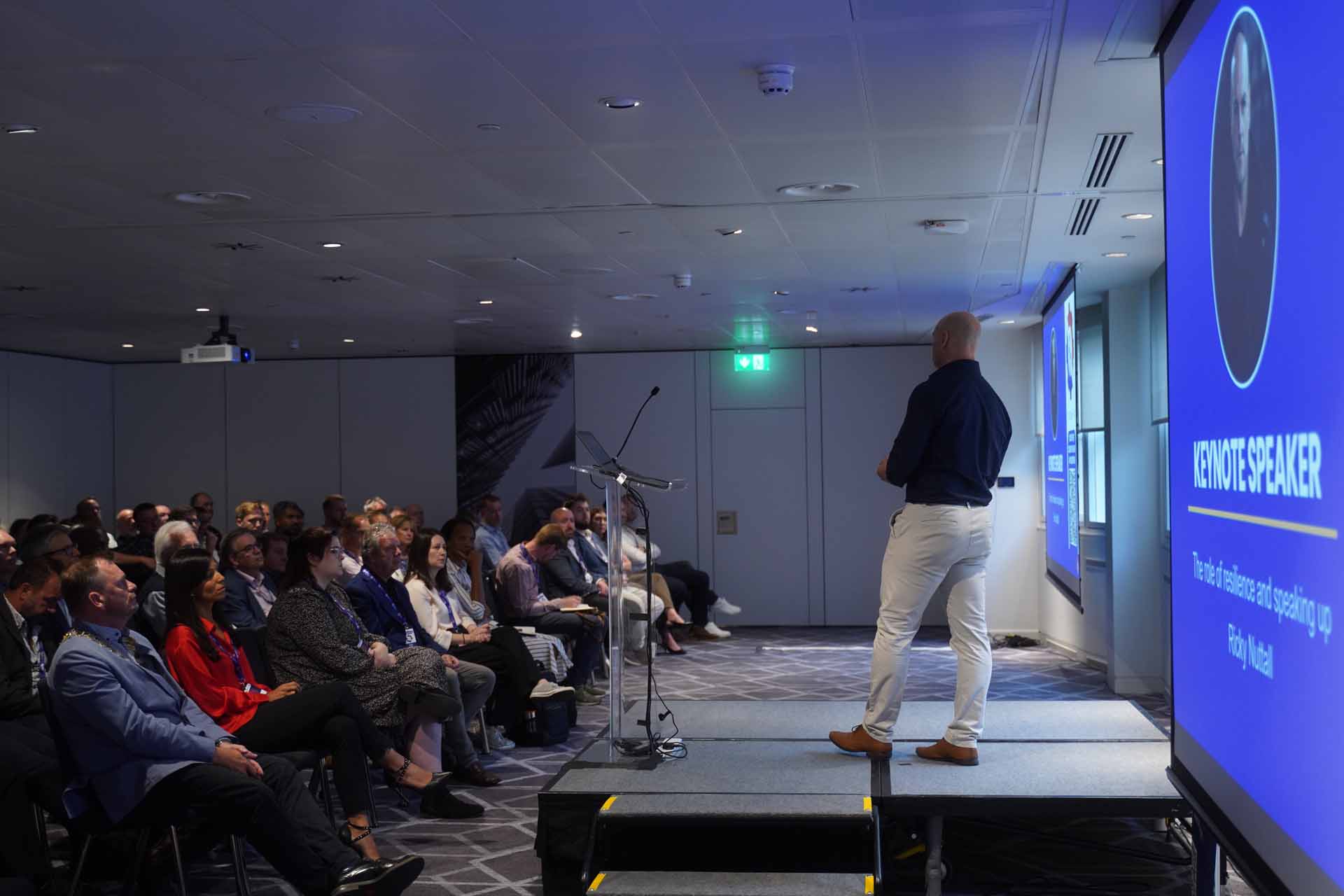
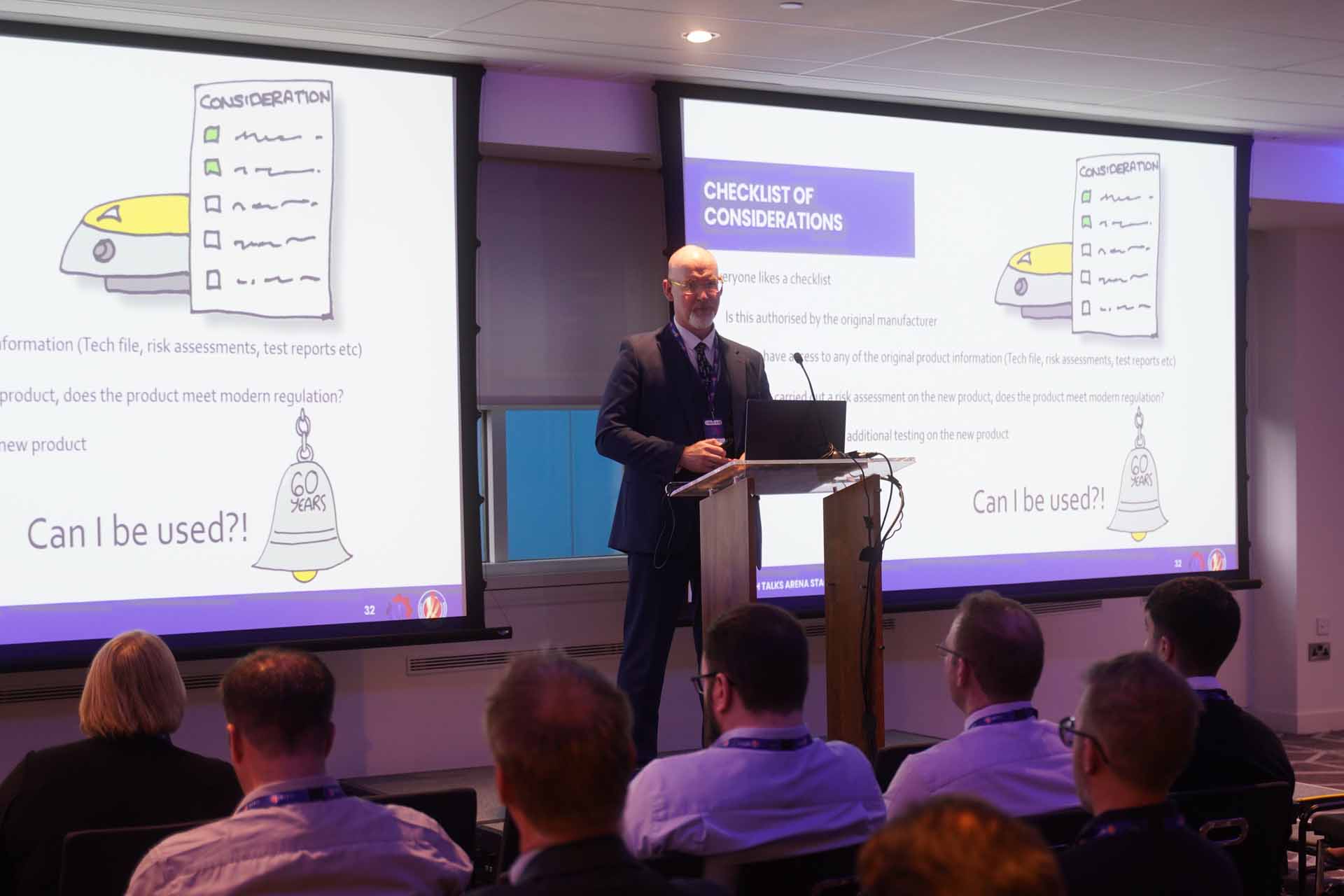
The programme was divided into three stages, with stage one dedicated to standards and compliance, with the opening talk hosted by the LIA’s Stuart Burns. Burns’ presentation focused on clearing up the confusion between repairing and remanufacturing lighting products, and why the distinction matters. He explained that repairing simply means fixing a broken light, so it works as it did before, while remanufacturing involves making a bigger change, such as converting an old fluorescent fitting into an LED one, which effectively turns it into a new product in the eyes of the law. This means remanufactured lights must meet today’s safety standards and carry the same certifications as brand-new ones. Burns also highlighted some of the challenges, such as who holds responsibility if something goes wrong, the risks of using another company’s design or branding without permission, and how difficult it can be to guarantee performance or sustainability claims when using older parts. His main message was that remanufacturing can be valuable for extending the life of products and supporting sustainability, but it must be done transparently and in compliance with modern regulations.
The final presentation for the morning on stage one was Andy Hughes from Zumtobel Group, and his presentation, ‘When the Rulebooks Don’t Apply’. Hughes’ presentation tackled the thorny issue of what manufacturers should do when standards haven’t yet been harmonised. He explained how, in the past, compliance was fairly straightforward – if a product met the relevant standard, it was assumed to meet legal safety requirements. However, changes to EU directives, the introduction of independent ‘HAS consultants’ to review standards, and Brexit have complicated matters. Many standards now fail the harmonisation process, leaving manufacturers caught between outdated official lists and newer, more relevant versions. Hughes stressed that simply following a standard is no longer enough: companies must also carry out risk assessments and document how their products meet essential safety requirements. He outlined the different routes manufacturers can take, from sticking with harmonised standards to using the latest international ones or even building their own compliance cases, while warning that each carries different risks. His key message was that while the system has become messier, the safest approach is to stay as up to date as possible, compare old and new standards carefully, and always put risk assessment at the centre of compliance decisions.
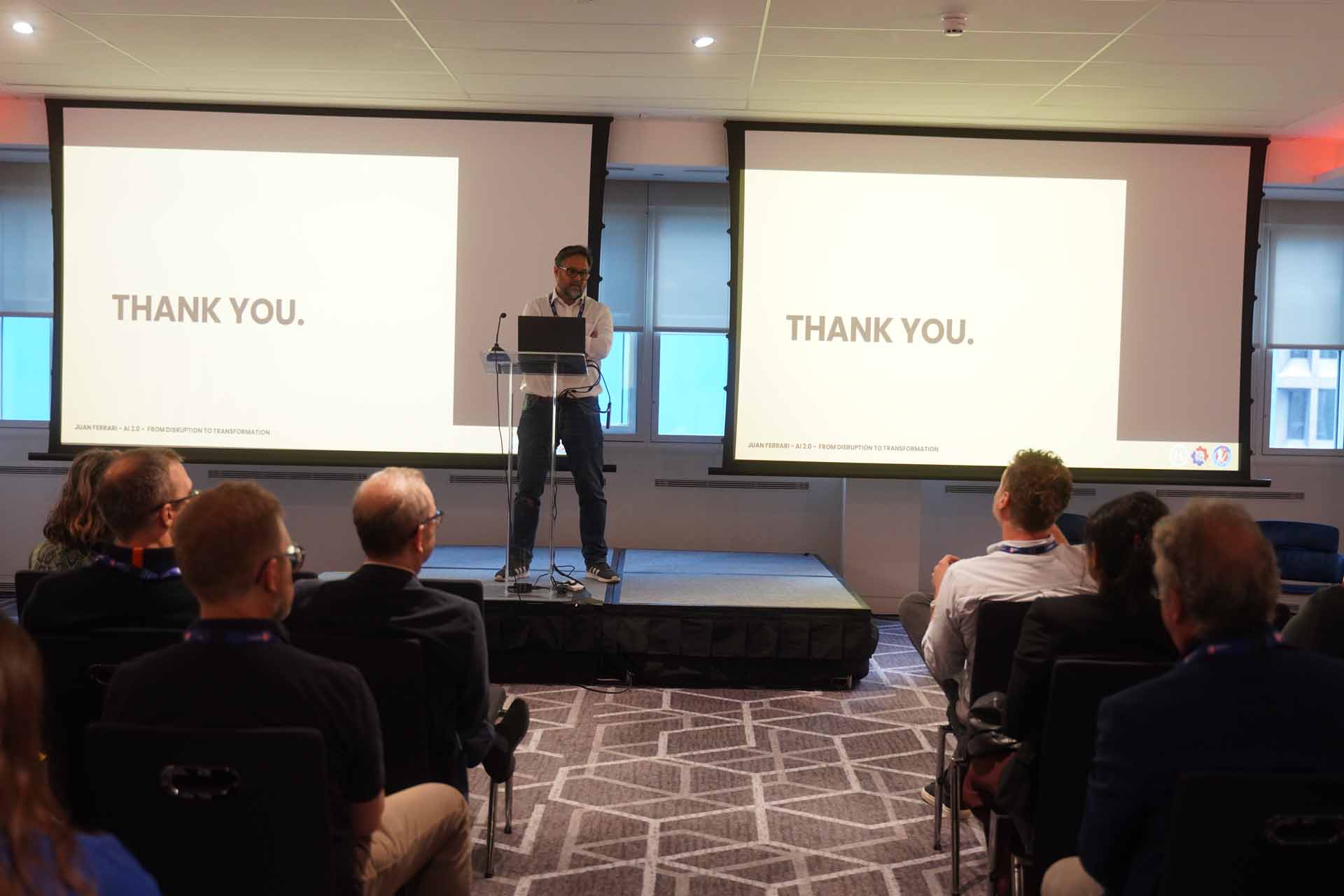
After lunch came the Lighting Design Stage (stage two) to see the much-anticipated presentation from Juan Ferrari of Hoare Lea, where he gave a revised version of his IALD presentation on AI. Titled ‘AI 2.0: The Future of Lighting Design’, Ferrari explored how artificial intelligence is reshaping the creative process and what that means for lighting designers. He spoke openly about his own journey of learning – from initially knowing little about AI to now experimenting with it in meaningful ways. His key message was that AI should be seen as a tool, not a threat, and that its value depends on the quality of data we feed it. Ferrari highlighted both the opportunities and risks: AI can save huge amounts of time by automating repetitive tasks, generate powerful images and concepts in minutes, and helping designers work more efficiently. But without careful oversight, poor data or outdated information can lead to unreliable results. He stressed the importance of keeping “a human in the loop” to check accuracy, ensure transparency, and apply ethical judgment. Ultimately, Ferrari argued that while AI can provide the “how”, it’s still up to humans to bring the “why”, which is the creativity, context, and meaning behind design decisions.
Following Ferrari was his peer from Hoare Lea, Ruth Kelly Waskett, whose presentation, ‘The Key to Healthy and Sustainable Buildings’, was all about why daylight matters so much more than we often give it credit for. She explained that natural light isn’t just about saving energy, though using daylight instead of electric light can dramatically cut carbon emissions, it’s also essential for our health and wellbeing. Daylight supports our body clocks, keeps us alert, and even provides infrared wavelengths that artificial lights can’t replicate, which play an important role in cell health and recovery. Beyond the science, Waskett reminded us that people simply enjoy being in daylight-filled spaces: they feel more comfortable, more connected to their surroundings, and more uplifted. She also busted some common myths, like the idea that bigger windows always mean better daylight, showing instead that quality, placement, and design matter far more. Waskett emphasised that if we want buildings that are not just efficient, but also healthy and enjoyable places to live and work, daylight must be at the heart of their design.
After a short break, conversations became much denser with abundant legal and technical jargon during the third stage dedicated to connected lighting. Thet Oo’s presentation, ‘The Sustainable Future of Smart Buildings and IEQ’, explored how upcoming regulations and smart technology will influence the buildings we inhabit. He explained that by 2050, countries are committed to net-zero carbon targets, with upgrading existing buildings being a key route, rather than focusing solely on new construction. This is where smart systems come into play. Oo highlighted new laws coming into effect in Europe (and soon in the UK) which will mandate large buildings to have automated controls, publish energy performance ratings, and monitor indoor environmental quality (IEQ). IEQ includes factors such as light, air quality, temperature, and noise, and he demonstrated that improving these elements is not merely about reducing energy consumption but also about enhancing comfort and performance. To illustrate this, Oo shared a hospital case study in the Netherlands, where smart lighting and sensors tracked energy use, air quality, and occupancy patterns. The outcome was not only lower energy bills but also healthier environments for staff and patients. His main message was that the lighting industry has an opportunity to lead this transition by leveraging existing sensor networks to provide valuable data, helping buildings become more environmentally friendly and better suited for their occupants.
Jon Belfield’s presentation, ‘Smart Synergy: Unlocking Full Building Potential with Integrated Lighting and BMS’, explored why lighting and building management systems (BMS) have often remained separate and why now is the time to bring them together. Drawing on his decades of experience as a BMS engineer, Belfield explained that while the technical barriers to integration have largely disappeared, cultural and contractual barriers still hold the industry back. Too often, there are different teams working on individual operations, such as electricians, lighting, and other construction fields, leaving no one responsible when things go wrong. He argued that instead of chasing buzzwords like “smart buildings,” the focus should be on making systems user-friendly, well-integrated, and supported by people with the right skills. Belfield also reflected on the generational shift in technology adoption, from email being revolutionary in the 1980s to AI being normal for today’s graduates. He believes this shapes expectations in buildings. Belfield summarised that true smart synergy isn’t about technology alone; it’s about collaboration, clear responsibilities, and using existing systems better to deliver buildings that work seamlessly for both operators and occupants.
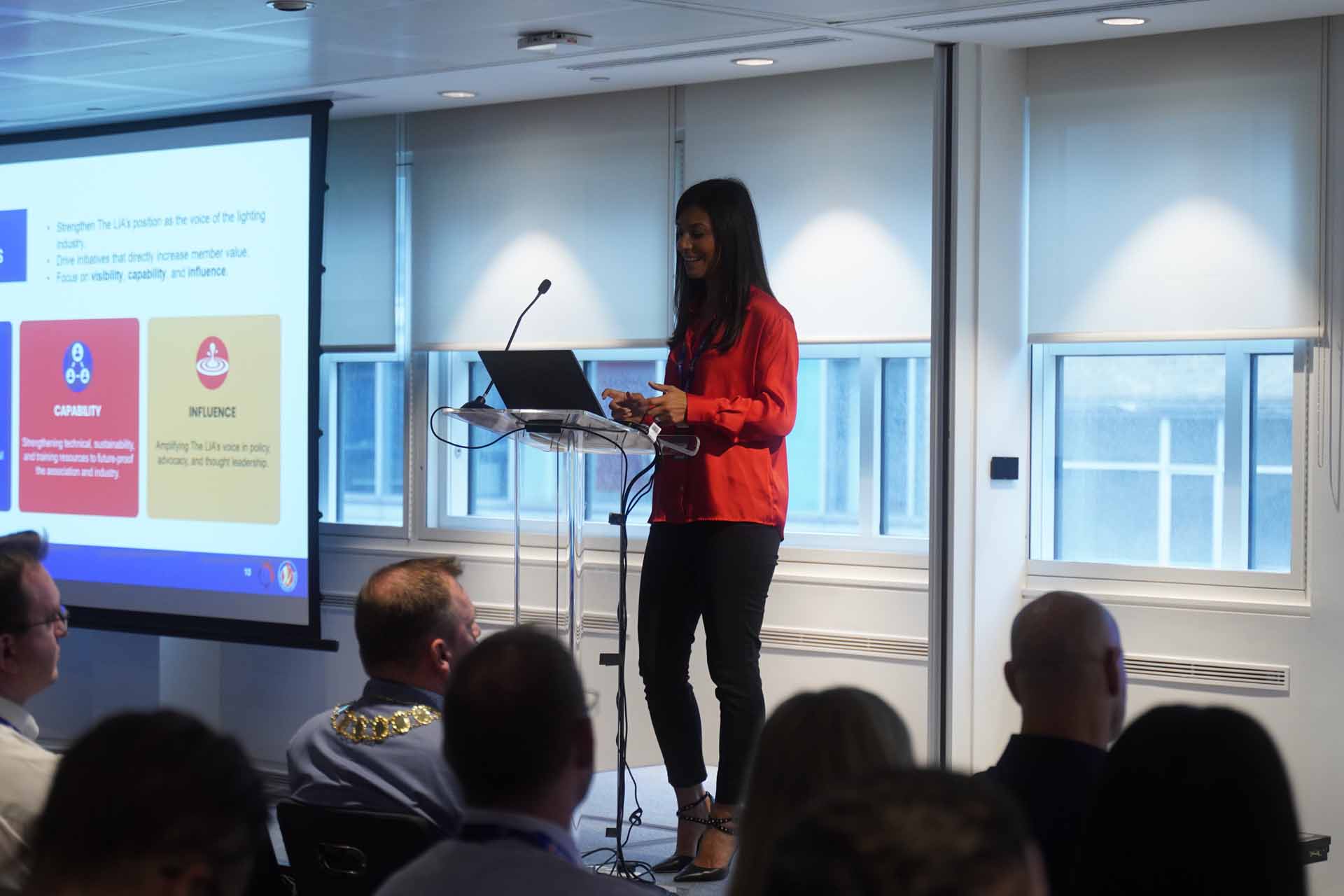
Overall, Tech-X 2025 demonstrated the lighting industry’s commitment to innovation, collaboration, and sustainability, bringing together diverse voices from across the sector to tackle both technical and regulatory challenges. From Ricky Nuttall’s poignant keynote on resilience and safety to discussions on AI in design, smart building integration, and the importance of natural light, attendees were offered a wealth of practical knowledge and thought-provoking ideas. The conference highlighted that while technology can offer a world of possibilities, its success relies on collaboration and clear responsibilities so that the use of that technology is streamlined for the occupants and operators. It is programmes like Tech-X that set the benchmark for these conversations that foster a dialogue on the future of lighting design. For those who attended, it was both an inspiring and practical experience, reaffirming that lighting is about creating environments that are safe, sustainable, and human-centric.
IALD announces keynote speaker for Enlighten Americas
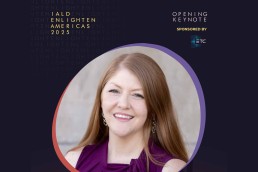
(USA) – The International Association of Lighting Designers (IALD) has revealed that science educator and communicator Amy C. Oliver will open its Enlighten Americas 2025 conference in Tucson, Arizona.
The keynote session is scheduled for the morning of 10 October and is sponsored by ETC, a member company of the IALD Lighting Industry Resource Council (LIRC).
Oliver is Director of Smithsonian STARS (Scientists Taking Astronomy to Rural Schools), a programme under the Centre for Astrophysics | Harvard & Smithsonian. She also serves as Public Affairs Officer and Science Centre Manager at the Fred Lawrence Whipple Observatory and is a SkyNights Presenter at the University of Arizona’s Mount Lemmon SkyCenter.
Oliver’s work includes Dark SkyNet, a cross-border pollution monitoring network , and project GLOWworm, which documented glowworms at high elevation in southern Arizona. During her recent TEDx Talks presentation titled "Glowing, Glowing, Gone: What We Lose When We Turn On the Lights," Oliver explored the commonalities between fireflies, astronomers, bumblebees, cacti, and nightclubs, emphasising that they all thrive in darkness and that restoring our night skies is an achievable goal.
Enlighten Americas 2025 will take place from 9–11 October in Tucson. Registration is available via the IALD website, with limited badges available.
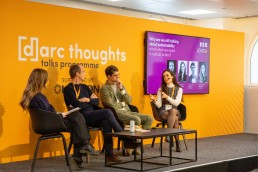
LiGHT 25 talks programme is now live
(UK) – The wait is over, the talks programme for LiGHT 25 has been unveiled, with both the main stage and Associations Lounge schedules now live on the LiGHT website.
This year’s [d]arc thoughts talks programme, curated in collaboration with Lutron, has also been officially CPD-accredited for the first time. Across two days, the stage will host a line-up of international designers, industry leaders and creative thinkers, covering everything from sustainability and inclusivity to AI, multisensory design and the crossover between lighting and medicine.
Day one highlights include the Dark Skies Discussion, moderated by arc’s editor Matt Waring, a session from Willie Duggan on what lighting designers can learn from medicine, and an exploration of multisensory design with the RNIB and Buro Happold. Later in the day, sessions will dive into the role of data transparency in sustainable design, the creative potential of AI in lighting practice, and a behind-the-scenes look at this year’s Re:Vision installation with renowned architectural lighting studio, Speirs Major Light Architecture.
On day two, highlights include Bentley’s presentation on crafting light as the “fourth material,” where the team will reveal how they blend artistry, technology and nature-inspired design across interior and exterior environments. Surbhi Jindal, Women in Lighting Ambassador for India, will share insights into bespoke lighting craftsmanship, exploring the fusion of traditional techniques and modern innovation to create timeless designs. Other sessions focus on the challenges of international projects with dpa lighting consultants, and a panel discussion on procurement practices that examines how even the most carefully considered designs can be compromised during delivery.
Alongside the main stage, the Associations Lounge, supported by Studio Due, will feature its own dedicated programme. Industry associations, including the ILP, LIA and IALD will take to the stage, alongside the return of the Silhouette Awards mentoring programme.
Discover the full [d]arc thoughts LiGHT 25 programme via www.lightexpo.london/talks-programme

Disruptia 2025 to return to Mexico
(Mexico) - Light Collective LATAM has announced that the fourth edition of Disruptia will take place in Mexico City at Frontera 88 in the Roma Norte district on 5 November. Bringing together professionals from a range of disciplines, including design, architecture, lighting, technology, and the arts.
The Mexico City gathering is part of a wider international series, with previous editions held in London and Madrid. Organisers describe the event as a space for exchange between industry leaders, creative practitioners, and emerging voices across Latin America.
The programme is set to feature keynote talks, curated showcases, and panel discussions on topics such as artificial intelligence, neuroarchitecture, biophilia, light and sound, show lighting, and the relationship between light and health. Confirmed contributors include Anne Bureau (Wonderfulight), Kai Diederichsen (Luz en Arquitectura), José Cardona (Artec Studio), Dinorah Martinez (Manufactura Juan Rodríguez Artista Visual), and Martin Lupton and Sharon Stammers from Light Collective, among others.
Alongside the scheduled talks, the event will include networking sessions and opportunities for collaboration across different sectors of the creative economy. According to organisers, the aim is to strengthen links between Mexico’s creative community and international experts, while providing a platform for new projects and ideas.
Disruptia Mexico 2025 is supported by sponsors including formalighting, Luxled, Leds C4, Lamp, Ledluks, Lighthouse, and Luminografica.
Tickets are available via TicketTailor.
Future designs launch return to reuse
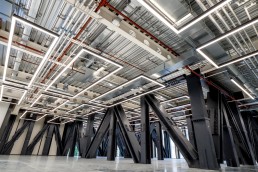
(UK) - Future Designs, the British lighting manufacturer, is launching a return to reuse scheme with a fully traceable recycling service for end-of-life Future Designs luminaires.
Future Designs products will either be reused and processed under the company’s carbon careful initiative, or every component recycled, where possible, offering clients reports outlining the disposal process. The scheme will commence from 1 September 2025, and any Future Designs Vane luminaires that have been installed in a project within the past 12 years will be eligible.
The scheme aims to tackle the issue of refurbishment projects, which often result in mass disposal of reusable materials into landfill, or are improperly processed in ways that do not meet sustainable recycling standards. With luminaires comprising multiple components and materials, the challenge has always been how to responsibly manage the reuse or disposal of every element.
The products that qualify for the scheme so far include Vane, selected due to its flexibility and popularity, across numerous projects throughout the UK alone. Vane is easy to demount, reconfigure and recycle and is manufactured with reusable aluminium and mild steel, all of which can be reused or adjusted for future projects within the carbon careful initiative.
Customers taking part in the scheme will be able to return used Vane luminaires to designated storage facilities, where they will be dismantled and sorted by material type. Suitable components may be refurbished and resupplied for future use, while non-reusable parts will be sent to recycling organisations for processing.
“Our mission is simple,” says Oliver Clements, Managing Director of Future Designs, “Lighting waste is prevalent in our industry, so as a business, we want to do everything we can to provide our clients with not just a service, but a sustainable solution they can trust for many years going forward.”
Return to reuse will ensure every recycled Vane component are tracked and documented, ensuring full compliance with environmental standards. Every new product will have a QR code, so Future Designs will be able to track every product in the future.
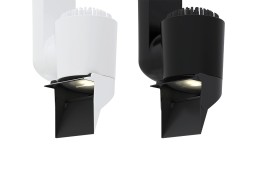
CLS - Jade WallWash
The new CLS Jade WallWash delivers uniform, precise lighting for walls up to 6 metres high. Its innovative top-hat ensures clean beam edges and eliminates spill light on ceilings or floors. This efficient 30W fixture offers control via Casambi, (W)DMX, DALI, or Mains Dim. Available in 2700K–4000K with CRI ~98.
Technical Zone to debut at LiGHT 25
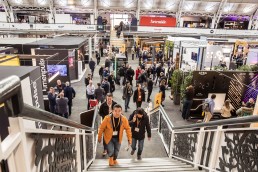
(UK) - LiGHT 25, the UK’s only trade show dedicated to high-end lighting specification, is set to return to the Business Design Centre in Islington, London, on 19–20 November 2025. Building on the success of last year’s event, which drew more than 5,500 visitors, the 2025 edition will feature a host of new innovations, with the launch of a dedicated Technical Zone as a major highlight.
The new zone, will be a dedicated space for brands focused on shaping the future of urban lighting, commercial lighting, control systems, components and OEM, lamps and gear, and emergency lighting. As lighting controls, emergency systems, and advanced components continue to play an increasingly important role in sustainable and human-centric design, the Technical Zone will offer an invaluable platform for both exhibitors and visitors to connect with industry experts, explore the latest products, and gain insights into technical advancements.
LiGHT 25 continues to attract thousands of architects, interior designers, lighting designers, engineers, and specifiers, all eager to see the latest product innovations and launches from hundreds of architectural and decorative lighting brands. Organised by [d]arc media, the event offers a rich programme of activities beyond the exhibition floor.
The renowned [d]arc thoughts talks programme will once again take centre stage, bringing together leading voices from the industry to discuss the latest trends, technologies, and challenges in lighting design. Moderated by editors from the industry’s leading magazines arc and darc, alongside guest moderators, the talks provide valuable insights into the future of lighting. The dedicated Associations Lounge will also return for a second year, offering an exclusive platform for professional organisations and featuring a dedicated splinter talks programme.
LiGHT 25 is more than just an exhibition – it’s a hub for industry connections. Visitors can network at the late-night drinks party on the 19th November, engage in insightful conversations at the networking brunch, or collaborate in the dedicated co-working space.
Lighting the way from concept to creation, LiGHT 25 continues to set the benchmark for the industry, and it is completely free to attend. Don’t miss the opportunity to experience the latest in lighting innovation and expand your professional network.
For more information, visit: www.lightexpo.com
