

Prolicht unveil new brand positioning
(Austria) – Prolicht has announced a strategic shift in its global brand positioning, unveiling the tagline “Designed to Create”, signalling a broader focus on empowering architects and designers.
Prolicht’s new messaging seeks to redefine its role within the creative process. According to the company, the change reflects a long-standing ethos that prioritises design freedom and user-driven solutions.
Walter Norz, founder and CEO of Prolicht, explained that the rebrand is not a departure from the company’s roots but a refinement of its core philosophy. “It wasn’t a sudden shift. It was more like the sharpening of something that had been there all along. We’ve always worked closely with creative professionals – architects, lighting designers, planners. And over the years, we’ve realised that what they value most isn’t the product itself, it’s what the product enables them to do. That was a big insight. Our role isn’t to steal the spotlight. It’s to give others the freedom to design spaces exactly how they envision them.”
The statement “Designed to Create” shows a personal and professional commitment from the company’s leadership. After hearing creative professionals’ frustrations about having to compromise on timing, customisation, or quality, Prolicht wants to clarify that its purpose as a company is to support bold ideas and reject limitations.
Through this brand evolution, Prolicht aims to reposition itself not as the star of a space but as a partner in the creative journey. Norz adds: “We hope we can make those who are willing to challenge the brief, who look at an empty space and see its potential, feel seen. I hope they hear an invitation to explore and to question. Because in the end, new doesn’t just happen. New is created, and people who believe that, that’s who we’re here for.”

Signify announced as a FIFA ‘Preferred Provider’ for floodlights
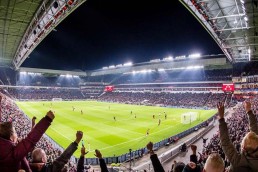
(Netherlands) – Signify has been selected as a Preferred Provider for floodlights, affirming that the brand’s sport lighting systems meet the highest quality FIFA standards. The selection follows FIFA’s rigorous evaluation process, which assesses the performance requirements of products, production, and infrastructure.
As part of the FIFA Quality Programme, Signify will contribute to driving research and development in sports floodlighting, advancing technical standards for the future.
Signify’s stadium lighting solutions are currently used in major venues worldwide and are designed to enhance visibility and consistency for players, officials, spectators, and broadcasters. High-quality floodlighting also supports critical technologies such as Video Assistant Referee (VAR) systems, goal-line detection, and optical tracking.
The company’s lighting systems are also capable of supporting pre- and post-match entertainment through synchronised light shows, adding to the matchday experience for fans.
Stadiums partnering with Signify through the FIFA Preferred Provider scheme gain access to advanced lighting systems such as ArenaVision LED gen3.5, which delivers high-quality pitch lighting, efficient thermal management and long lifespan. Integrated with the Interact Sports system, it allows for remote control and scheduling. Also available is the OptiVision LED gen3.5, a flexible solution for various venue sizes, offering excellent visual comfort, uniformity, and reduced light spill. With smart controls, it can cut energy use by up to 65%.
Signify’s floodlighting is currently being used at world-class stadiums across the globe, including Stadion Feijenoord in Rotterdam, the Netherlands, where a new Arenavision lighting system has improved the match day experience for all, and provides energy savings of 63% against previous systems.
Niels Geven, International Director for Sports and Arenas at Signify, comments: “This recognition from FIFA, which is responsible for some of the world’s most prestigious and watched sports events, is an important milestone for Signify and a reflection of our leadership in sports lighting. High-quality illumination is hugely important in modern-day sport, especially top-flight football. It’s vital for both player performance, officiating and broadcasting purposes, and an essential part of the match-day fan experience.”
LUCI Cities & Lighting Summit to take place in Oulu
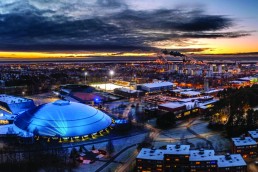
(Finland) - Urban lighting experts worldwide will gather in Oulu, Finland, from 25–27 February 2026. The second edition of the Lucie Cities & Lighting Summit will explore how innovative lighting can shape cities.
The programme will expand on the opportunities offered by Art and Technology and explore their intersection potential in urban lighting, while addressing how light can shape sustainable and inclusive cities.
As a global hub for urban lighting innovation, the summit brings together city leaders, lighting professionals, and urban planners to share ideas and spark local solutions through global collaboration.
Highlights include in-depth panel discussions exploring how lighting interconnects with art and technology, insights into global and local initiatives and their impact on city planning and urban lighting developments, guided tours around Oulu’s lighting projects, and the experience Oulu 2026 European Capital of Culture programme.
Amid rising demands for sustainable urban development and smart solutions, the LUCI Cities & Lighting Summit aims to foster collaboration and practical strategies through global knowledge-sharing. Oulu, a city known for blending innovation with nature, offers a fitting venue for these discussions.
Registration is now open. For more information, visit the website here www.luciassociation.org
Lighting Design Alliance partners with Salas O’Brien
(USA) - Salas O’Brien has announced its partnership with Lighting Design Alliance, combining two established leaders in the built environment sector.
Lighting Design Alliance is recognised for its award-winning lighting projects worldwide, including the Jio World Centre in India, Chimelong Spaceship Marine Science Park in China, and The Londoner Macao.
Darin Anderson, Chairman and CEO of Salas O’Brien, states: “Lighting can have such a positive and dramatic impact on the human experience. We couldn’t be more excited to have such an amazing team and talents join us.”
With more than 30 years of experience, Lighting Design Alliance is known for innovative architectural lighting designs that balance aesthetics, functionality, sustainability, and technology. Their collaborative approach aligns with Salas O’Brien’s integrated service model.
Chip Israel, Co-CEO and Founder of Lighting Design Alliance, comments: “Joining Salas O’Brien opens up exciting new possibilities for both our team and our clients. This merger expands our abilities while staying true to the creativity, rigor, and design integrity that have always defined our work.”
Lighting Design Alliance has earned industry recognition for projects across hospitality, gaming, healthcare, education, transportation, and entertainment venues. Kyllene (Kelly) Jones, Co-CEO and President of Lighting Design Alliance, added: “We have always believed that great lighting can inspire people and elevate the ordinary. We are excited to bring our passion and perspective to Salas O’Brien and continue to create designs that connect and transform the human experience.”
www.lightingdesignalliance.com
[d]arc dialogues: making the most of manufacturer relationships
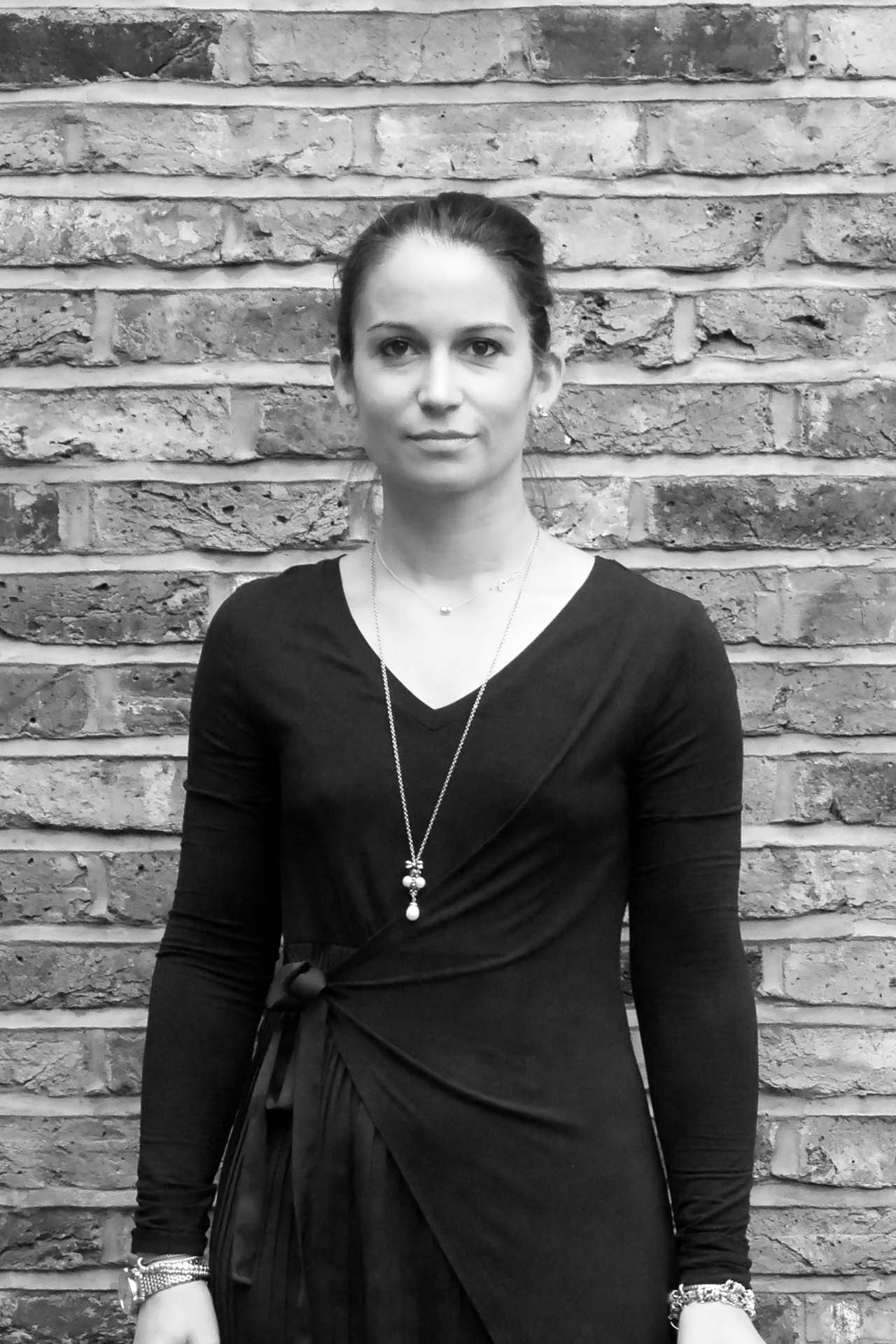
“Meeting manufacturers is like bringing new oxygen to our creative brain: the technology is moving forward so fast... which can only be overcome by continuous meetings with leading manufacturers.”
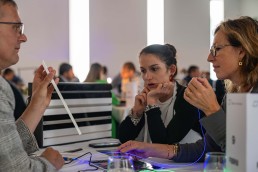
In the ever-evolving world of lighting design, staying abreast of the latest innovations and maintaining strong connections with manufacturers is crucial. We spoke to Arianna Ghezzi of Lighting Design International to explore how meetings with manufacturers, such as those at [d]arc sessions, play an integral role in the design process. Ghezzi shares valuable insights on fostering productive relationships that benefit both designers and suppliers, as well as what influences a specifier’s product selection.
What value do manufacturer meetings, like those at [d]arc sessions, bring to your design process?
Meeting manufacturers is like bringing new oxygen to our creative brain: the technology is moving forward so fast, and being always updated regarding new products, it’s a challenge which can only be overcome by continuous meetings with leading manufacturers.
The speed-dating format is unique. How does it compare to more traditional ways of discovering new products or brands?
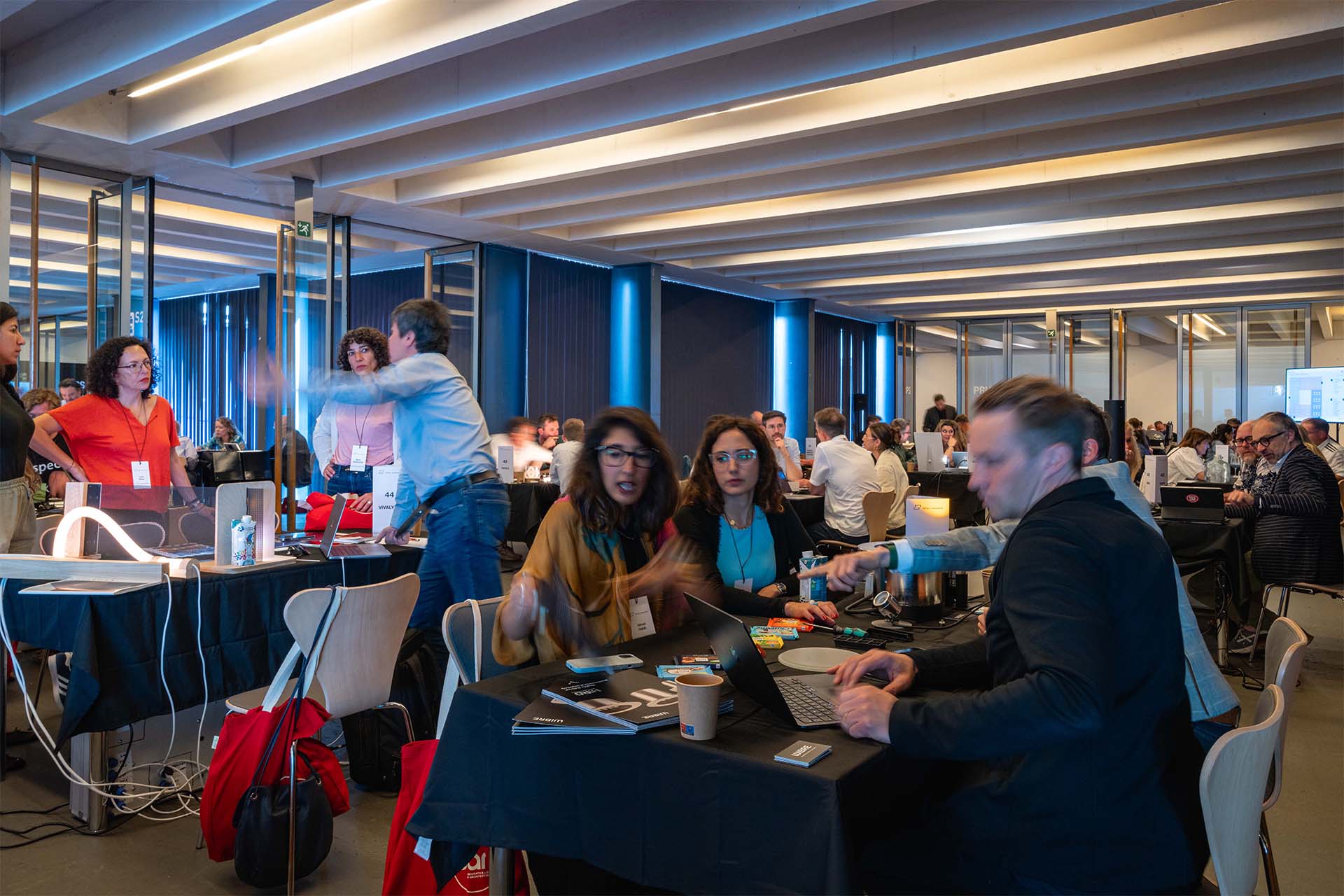
The [d]arc sessions format suits a designer’s busy schedule: in a couple of days, multiple meetings are scheduled, and the quick speed-dating format allows for keeping the attention high and focused. During the [d]arc sessions, there is also a chance of discovering manufacturers which are local to the event’s location, so it’s convenient for getting a broader market knowledge.
What do you look for in a first interaction with a manufacturer? What makes a lasting impression?
Deep technical knowledge from the manufacturer representative, availability to provide customisation to standard products and proactiveness in assisting us as specifiers. The biggest added value is for the suppliers to be reachable, as we have millions of questions, so be ready to know your products inside out.
Have you ever discovered a product or company through one of these short meetings that ended up playing a key role in a project?
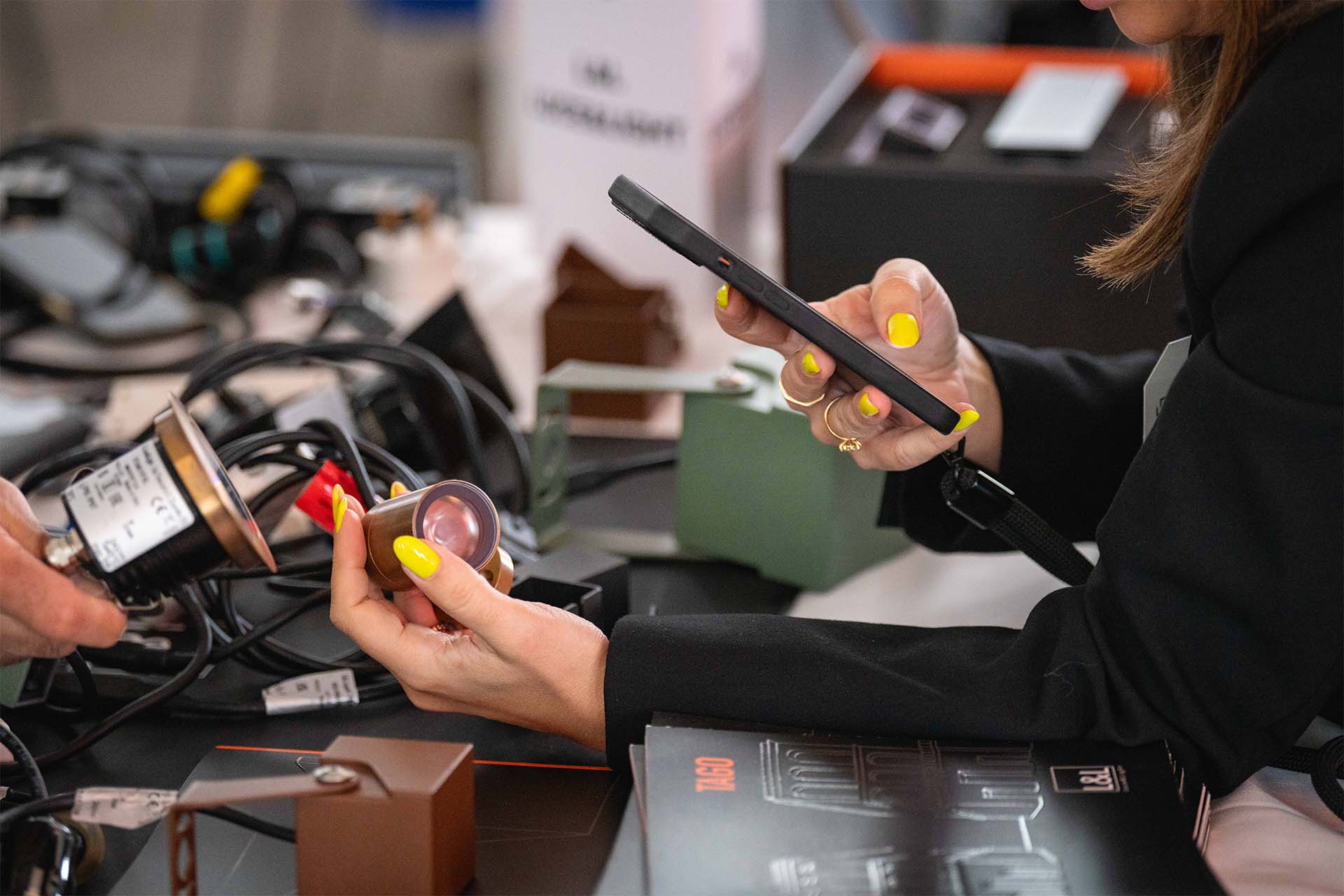
Absolutely – many times! One example is discovering Tekna’s lanterns, particularly the versions wrapped in leather. I was impressed by the craftsmanship and immediately wanted to incorporate that level of detail and materiality into a project. During the sessions I attended, I was also struck by the level of miniaturisation our industry is achieving. The mini joinery lights from Corporate Friends and DGA stood out in particular. I’ve since specified DGA’s Nano Tini I in several projects – it’s a versatile fitting that works beautifully across both residential and hospitality settings.
What’s so valuable about [d]arc sessions is the exposure to such a wide range of products – from interior and exterior to decorative – all in one place. It creates a real opportunity for immediate application, bringing fresh ideas and innovative options into our lighting schemes. It’s also worth mentioning that these meetings often provide a chance to reconnect with manufacturers we may have lost touch with, which can be just as valuable as discovering new ones.
How important is it for a manufacturer to understand your design vision and project needs? What helps build that mutual understanding early on?
It is paramount for the manufacturers to understand the project programme, the budget and the requirements in terms of our design aspirations and understanding which ranges of products we are looking for – this makes our understanding of their offerings as easy as possible. Sometimes, as specifiers, we might feel overwhelmed by the offering and being able to just talk to the manufacturers through our requirements, without endless scrolling of the catalogues online, is a plus.
What kind of technical or creative input do you most value from suppliers during a project?
From a technical perspective, we value clear data, delivered outputs, available ltd files and intuitive list performances. Additionally, having these available digitally or in some other easily reachable format is important too. It’s paramount to be able to review samples, and the quick availability of those is very important. From a creative point of view, it is valuable when manufacturers share how the products might have been used previously, especially if in an alternative way or out of the out-of-the-box way. Manufacturers not only need to stimulate us as designers with new products, but also show present images where we appreciate products being installed in real projects.
Do you think manufacturers are adapting well to changing design priorities, like sustainability, modularity, or reuse?
There’s certainly a strong and growing effort across the industry, with increasing attention being paid to sustainability, reusability, and the development of modular or interchangeable fixtures. The latter is particularly valuable – not only from a sustainability perspective, but also as a highly effective design tool. We all know that conditions on site often differ from initial expectations, and having the flexibility to swap out modules, lenses, or optics provides a level of adaptability that is crucial in real-world applications. As specifiers, we should begin to prioritise manufacturers who demonstrate a genuine commitment to sustainability, so that together we can move towards a more environmentally conscious and responsible approach to lighting our projects beautifully and intelligently.
How do you balance innovation and reliability when specifying products you may not have used before?
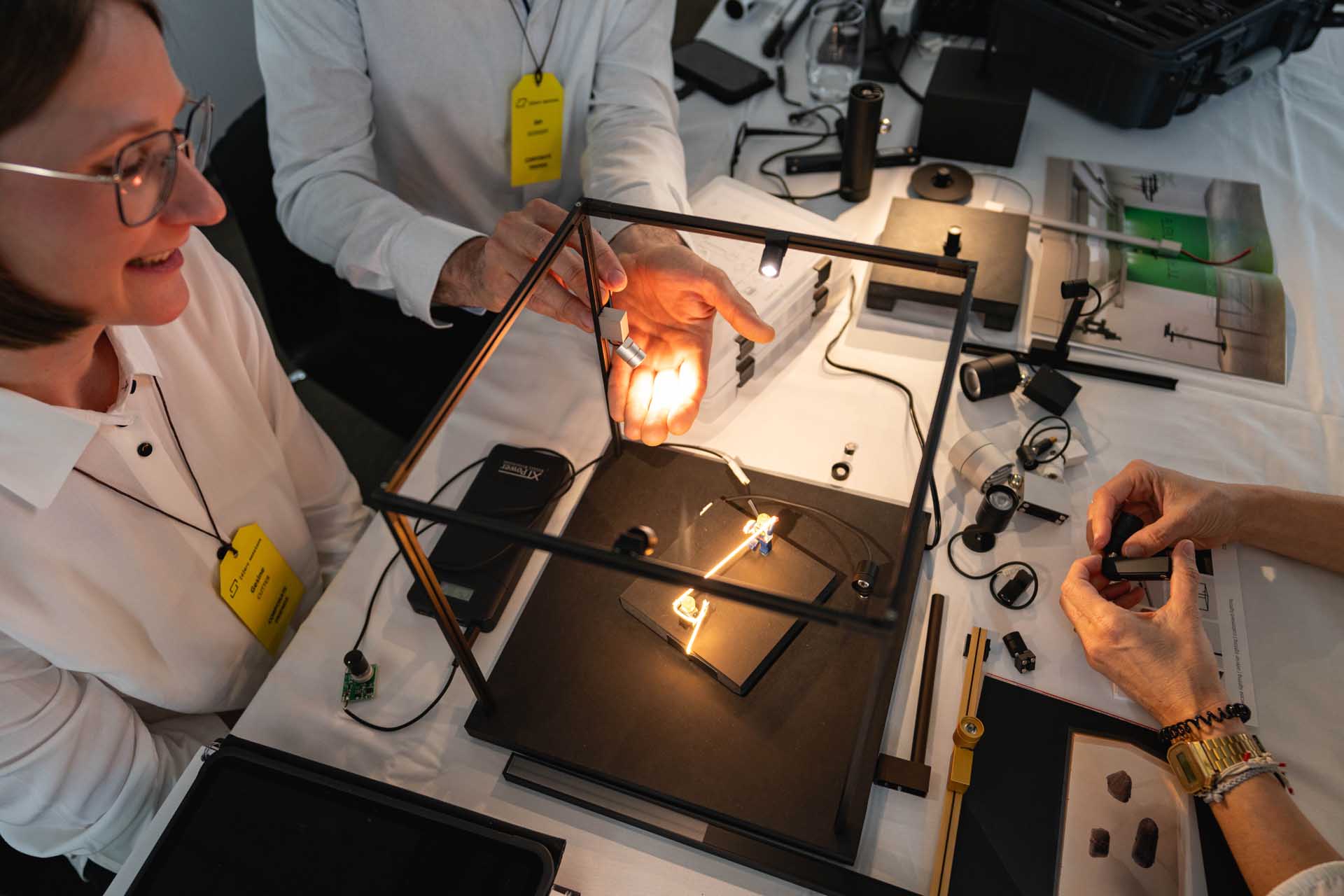
Striking the right balance begins with a thorough review of the product’s technical specifications. However, this must be followed by a hands-on evaluation. Examining a physical sample is essential to assess the quality of assembly, the light output, the colour consistency, and whether the beam aligns with the manufacturer’s claims. Dimming performance is another key aspect we always test.
We also consider the robustness of the fixture – how well it’s finished, whether it feels durable, and whether accessories or modular components can be added or removed without compromising its integrity. Beyond the product itself, it’s important to understand how it has performed in previous installations, including reliability over time, warranty coverage, and the manufacturer’s approach to repairs or replacements if needed.
Practicalities also play a significant role. We check the availability of accessories, lead times for delivery, and whether the product fits seamlessly within the project timeline. Packaging is another indicator, not only in terms of sustainability but also how well it protects the product. Lastly, we review the clarity and usability of the installation manual, as this can greatly impact the efficiency of on-site work by the electrical contractor.
Are there common pitfalls you see in how manufacturers approach lighting designers, things you wish they’d do differently?
One of the most common pitfalls is a lack of understanding of the type of projects a particular consultancy typically works on. I would strongly encourage manufacturers to familiarise themselves with our portfolio before reaching out, so they can offer products that are genuinely relevant to our work. We’re sometimes approached with ranges that don’t align with our design focus or technical requirements, which makes the conversation less productive from the outset.
Another improvement would be in how new products are introduced. Rather than relying solely on catalogues or email announcements, it’s far more valuable for us to receive a working sample for review. While we understand manufacturers want to generate early interest, our priority is to evaluate the actual product – how it performs, how it feels, and whether it meets our standards.
It can be quite frustrating when we’re excited by a new product but can’t specify it because it’s not yet in full production or stock. Having tangible, review-ready samples available early on would go a long way in helping us make informed, timely decisions and ultimately benefit both sides.
What do you think lighting designers could do better to foster strong supplier relationships?
As lighting designers, we can play a more active role in strengthening supplier relationships by clearly communicating our evolving needs – what types of fittings we specify most often, and what gaps we’re noticing in the current market offering. If there’s something we feel is missing, it’s important to share that insight. These conversations can happen through meetings or informally, during networking opportunities, but they’re essential for driving product development in the right direction.
Ultimately, manufacturers are the bridges between our creative vision and the project execution: we as designers also have a responsibility to keep communication channels very open to make sure we have a strong relationship in place, for the best outcome of the project. Working closely with manufacturers means also collaborating on new or bespoke fittings that might have use in the broader market, we’re contributing to the ongoing innovation of the lighting industry, which benefits everyone.Top of FormBottom of Form
How much influence do manufacturer relationships have on the early concept stages of your designs, or are they more relevant further down the line?
I would say the relationship is more relevant further down the line, although there have been occasions where I got so excited about a new product – and if it was the right project – thinking about possible uses during the concept stage, especially if the product was creating a special lighting effect or a feature of sorts.
When it comes to product sustainability or lifecycle thinking, how transparent are manufacturers nowadays, in your experience?
My experience is that manufacturers are being more transparent and share more information these days, of course, as designers, we also appreciate that some information and data might be very challenging or expensive to get hold of. What is recognised is also the effort towards sustainability and the gathering of the lifecycle information and data. There has also been a huge effort from manufacturers to run CPDs or share their knowledge on regulation, or make sure designers are heard and supported; this should be much appreciated as a joint effort towards more sustainable lighting design.
Are there any changes you’d like to see in how designers and suppliers collaborate in the future?
I’d like to see the relationships between lighting design and manufacturers grow stronger. Manufacturers can be a valuable support to us as designers, and designers shouldn’t hesitate to rely on manufacturers more for help. It would be particularly helpful if manufacturers shared more insight from past projects, such as lessons learnt, challenges encountered during supply or procurement, and how these were resolved. This kind of transparency helps us all improve and better anticipate potential issues.
From a designer’s perspective, we want our specifications to be protected, and by working closely with the manufacturers, we can find a way to make sure this happens. It would be interesting to create more opportunities to have open dialogues about what we need as specifiers, what we feel the market is missing. These conversations could help shape the next wave of innovation in lighting, driven by real project needs and creative ambition.
What advice would you give to a young lighting designer attending their first supplier meeting or trade event?
Touch everything! This aside, don’t be afraid to ask lots of questions, take lots of pictures and make your mental catalogue of fittings and manufacturers that you have found interesting. Plus, they should create and nurture this amazing connection we should have between specifiers and manufacturers, working closely together to deliver amazing projects.
If you're interested in finding out more about what [d]arc sessions does then follow the link www.darcsessions.com or alternatively manufacturers can contact j.pennington@mondiale.co.uk for any queries or further. information
www.lightingdesigninternational.com
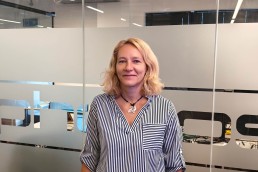
Pharos Architectural Controls announces appointment of Teodora Marian
(UK) – British lighting controls manufacturer announces the appointment of Teodora Marian as Regional Sales Manager for Central and Southern Europe.
Marian holds a Master’s degree in Nuclear Power Engineering and more than 20 years of experience designing complex systems in both the UK and Romania, including more recently eight years specialising in lighting and control solutions. Marian offers a range of technical expertise and industry knowledge.
Her previous roles include working with leading industry brands such as Lutron, Enttec and Architectural FX, providing support to designers, integrators, and developers across the UK and Europe.
Commenting on her new role, Marian shares: “I’m truly excited to become part of Pharos. Over the years, I’ve had the opportunity to work with some great brands and professionals who have helped shape my career. Having followed the impressive growth and development of Pharos, I’m eager to help bring their innovative lighting control solutions to even more markets across Europe”.
Pharos CEO, Simon Hicks, adds: “We’re thrilled to welcome Teo to Pharos. Her strong engineering background, hands-on knowledge of lighting controls, and passion for international sales make her a fantastic fit for our team and for driving sales growth across the central and southern European region”.

Signify collaborates on real estate decarbonisation initiative
(UK) – Lighting manufacturer Signify announces its collaboration with Pineapple Partnerships and Schneider Electric to create Pineapple CoRE, an initiative designed to accelerate decarbonisation in the industrial property sector.
The initiative unites Schneider Electric’s expertise in digital automation and energy management, Signify’s lighting solutions, and Pineapple Partnership’s system-change consultancy to help property owners and operators overcome common barriers in decarbonisation, such as finance, fragmented supply chain and skill shortages.
The first to benefit from CoRE model is Edwards Vacuum, part of the Atlas Copco Group, implementing a suite of energy interventions at its Clevedon manufacturing site. Changes include deployment of digital twin by Schnieder Electric, new solar PV installation, LED lighting upgrades and loT-based control by Signify, and Pineapple Partnership’s innovative financing to accelerate capital investment.
These interventions aim to reduce the site’s energy consumption by 35% and cut emissions by more than 80%, supporting the company’s wider goals to reduce Scope 1 and 2 emissions by 46%, and Scope 3 by 28%, by 2030.
Chris Adams, Site Manager at Edwards Vacuum, says: “Working with Pineapple Partnerships has been a game-changer in accelerating our carbon reduction efforts. Their expertise enabled data-driven decisions and fast-tracked our adoption of technologies such as solar panels and air source heat pumps.”
Commenting on the collaboration, Nico van der Merwe, Cluster Leader at Europe West, Signify adds: “Signify thrives on partnerships, and CoRE is a powerful example of how collaborations can unlock decarbonisation at scale. Upgrading to LED and connected lighting is a highly effective way to reduce energy use and emissions. Combined with financial and delivery innovation, CoRE empowers clients to act now.”
Managing Director of CoRE, Rupert Snuggs, comments: “We are delighted with our collaborators, as we take the next step on our journey in decarbonising one million buildings in the coming years.”
Andrew McKenzie, Commercial Leader - Consultancy UK&I at Schneider Electric, adds: “This collaboration offers a valuable opportunity to support commercial and industrial clients in boosting operational resilience and achieving net-zero goals. We will provide a clear roadmap for those facing ageing infrastructure, rising energy costs, and the need to modernise, helping them build a more efficient, optimised and safer estate.”

Lighting design contest opens for historic cathedral
(Spain) – The City Council of Santiago de Compostela has announced the launch of an international competition to design the lighting scheme of the area surrounding the historic Cathedral, a renowned UNESCO World Heritage site.
As part of the city’s Tourism Sustainability Plan, the initiative will place a strong emphasis on sustainability, heritage preservation, and the global projection of creative talent. Organisers have stated that the initiative aims to redesign the nighttime landscape with an approach that is emotionally resonant, calm, healthy, and cohesive with the historic significance.
Entries will be evaluated by an international jury of leading industry figures, including: David Chipperfield (architect), Teresa Tàboas (architect and academic), Manuel Antonio Castiñeiras Gonzàlez (Professor of Art and History), Roger Narboni (lighting designer and founder of Concepto), Esther Torellò (editor of Lightecture and Spanish ambassador for Women in Lighting).
Submissions will be judged on their creativity, technical quality, energy efficiency, and economic feasibility. Designers will have access to extensive technical resources, including a complete documentation package and high-precision 3D digital modelling of the Cathedral’s surroundings.
Six shortlisted proposals will receive €18,150 (VAT included). The winning team will be invited to negotiate a contract, under Article 168(d) of Spain’s Public Procurement Act, to deliver the final project and oversee implementation of the lighting scheme in Praterías Square. The contract is valued at €121,000 (VAT included).
The deadline for submission of conceptual proposals is 19 August 2025 at 23:59 (local time).
Go to compostelanocturna.santiagodecompostela.ga to find out more.

Project Focus - Botree Hotel, London, UK
https://vimeo.com/1092735344
Michael Curry from dpa lighting consultants and Melanie Knüwer from Concrete Amsterdam sit down with Matt Waring to discuss their joint efforts on Marylebone London’s stunning new Botree Hotel, which combines vibrancy and uncompromising standards with a purpose-driven ethos to create a hotel where luxury meets conscious choices.
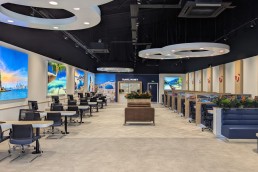
TUI partners with Signify on store lighting
As part of a wider commitment to reduce its environmental impact, travel company TUI has begun upgrading the lighting in its UK and Ireland retail branches, aiming to improve energy efficiency and support its long-term sustainability goals. Signify’s 3D-printed lighting offered a circular solution, perfectly aligned with TUI’s sustainability agenda.
With over 300 travel agencies across the region, TUI sought a lighting solution that could help deliver a welcoming in-store experience for customers while aligning with its ambitions to achieve net zero emissions and adopt circular business practices by 2050. The company partnered with interiors specialist John Worth Group to design and deliver the upgrade, with electrical wholesaler CEF supporting the supply and specification process.
A key requirement for the project was to reduce energy consumption and material waste without compromising on lighting quality. After evaluating several options, the team selected LED and 3D-printed luminaires developed with recycled and bio-circular materials. These products were custom designed using Signify’s MyCreation online configurator, which allows customers to visualise their lighting configuration as they go. This allowed the lighting to meet the visual and technical needs of TUI’s retail environments and was produced closer to the point of installation to help reduce transport emissions.
The first phase of the rollout included lighting installations in five pilot stores. A mix of panels, rafts, track lights and spotlights was used to provide tailored solutions for each space. These were configured through a digital platform to streamline design and ordering.
Karen Darler, Regional Property Manager at TUI, comments: “We are delighted with the new store lighting, which provides comfortable light levels for customers and staff, while creating visual interest in line with our TUI branding. Meanwhile, the lighting installed attributes to our 2050 net zero target through efficiency and waste reduction, thanks to excellent collaboration and teamwork. The process has been exceptionally smooth, with the projects delivered perfectly on time and within budget.”
With the initial pilots successfully completed, TUI, John Worth Group, and CEF are continuing to collaborate on the next phase of the rollout, which will see the lighting upgrades extended to an additional 30 stores.
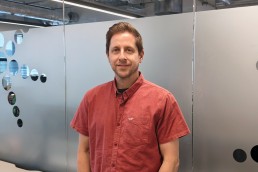
Pharos announces New Regional Sales Appointment
(EMEA) – Lighting controls manufacturer, Pharos Architectural Controls has appointed John Jarrard as Regional Sales Manager for the Middle East, marking a strategic addition to its global sales team.
The appointment forms part of a wider initiative aimed at increasing market engagement and strengthening regional support for partners and clients. Jarrard will be responsible for driving commercial development in the Middle East, contributing to Pharos' long-term growth objectives.
Jarrard brings more than a decade of experience in architectural lighting control systems. He has held senior sales roles at ENTTEC and Advatek Lighting, managing operations across Europe and the Middle East. Alongside his industry background, he recently completed an Executive MBA at Cranfield School of Management, following a Master’s in Politics and Contemporary History.
Commenting on his appointment, Jarrard says: “It’s a career highlight for me to be joining the Pharos team. I’m looking forward to the new challenges this role will bring, while being able to leverage the skills and relationships I have from my previous sales positions. I’m looking forward to championing the Pharos products, as I can already see the significant benefits these solutions bring to a range of projects.”
Simon Hicks, CEO of Pharos Architectural Controls, adds: “We’re delighted to have John on board to expand the capabilities of our sales team. With his strong background in sales within our industry, we’re confident he will be a great asset, and he’ll no doubt bring new ideas and perspectives to our sales team.”

In Conversation with Conran & Partners - The Art of Layered Lighting
https://vimeo.com/1092737372?share=copy#t=0
Hannah Miragliotta, Senior Designer at Conran & Partners, discusses the art of layered lighting with [d]arc media Editor, Matt Waring. Exploring how lighting in hospitality spaces transforms guests’ experiences and influences mood.
